
U.S. Consumer Confidence Shifted in January 2026: What Social Media Conversations Revealed About Household Pressure

Summary
In January 2026, U.S. consumer confidence experienced a notable decline, a shift social media conversations revealed wasn't due to a singular economic event but a confluence of interlocking financial pressures. This "stacked-pressure moment" highlighted how rising healthcare costs, persistent grocery inflation, unyielding fixed bills, and increasing reliance on credit cards for essentials combined to create a sense of financial brittleness, leaving households with little room to absorb further economic shocks and amplifying widespread anxiety about their immediate and future financial stability.
U.S. Consumer Confidence Shifted in January 2026: What Social Media Conversations Revealed About Household Pressure
In January 2026, U.S. consumer confidence conversations across social media shifted noticeably. Social listening analysis from the past week showed that Americans were not framing the confidence drop as a single economic shock, but as a stacked-pressure moment where multiple essentials collided at once.
Healthcare costs, groceries, fixed bills, and credit card reliance were discussed as interlocking stressors. Together, they shaped a month that felt financially brittle, one where households described having little room left to absorb another increase.
Below is a breakdown of the dominant narratives that defined the mood.
Health Insurance Became a Daily Source of Anxiety
Health insurance emerged as one of the strongest confidence drivers. 30.6% of consumer narratives referenced health insurance or medical costs, and 17.6% specifically mentioned deductibles or out-of-pocket expenses.
The tone was not abstract policy debate. Instead, it reflected day-to-day fear of losing access. Consumers repeatedly described being “insured on paper” but effectively priced out by rising premiums and steep deductibles. Coverage itself was questioned, with many asking whether insurance was still “worth it” if it could not be used without financial strain.
Key signals included:
- 10.6% directly referencing premium pressure
- 17.6% referencing deductibles or out-of-pocket burden
Healthcare was consistently framed as a budget breaker, competing directly with groceries and rent rather than sitting in a separate category of spending.
Grocery Prices Anchored the “Economy Feels Bad” Narrative
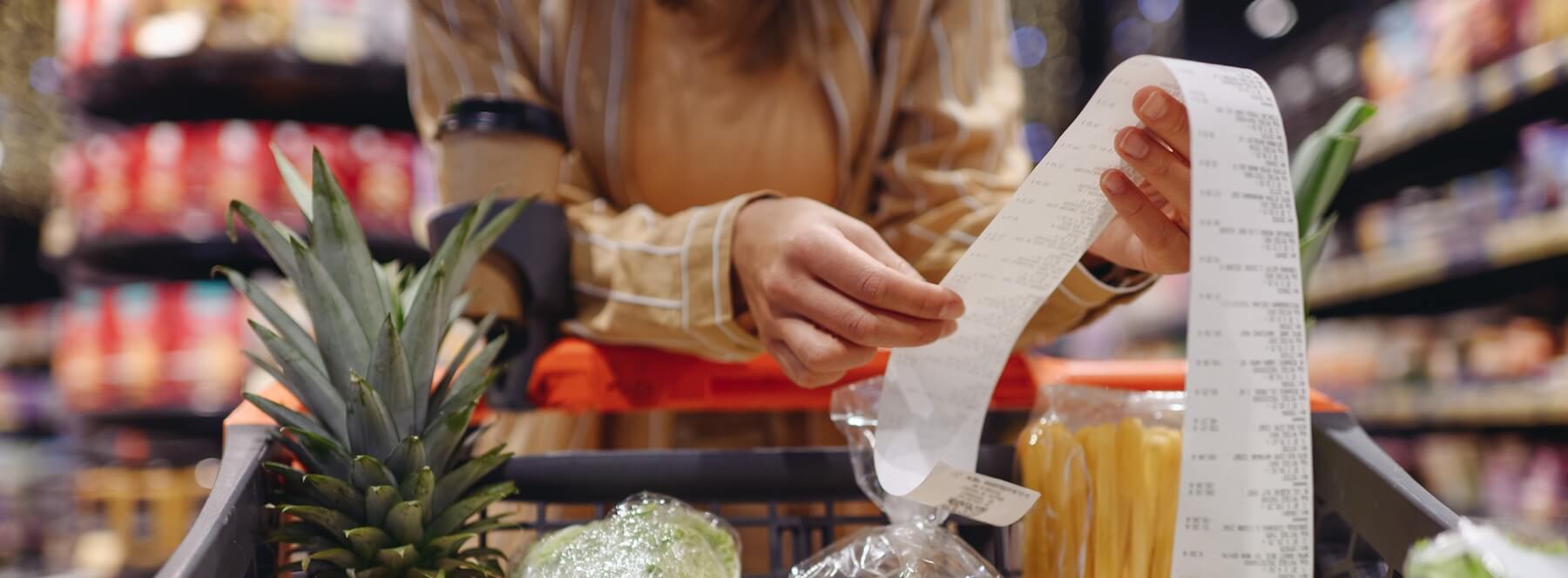
Cost of living pressures remained emotionally dominant. 37.6% of conversations referenced grocery or broader cost-of-living stress, making food prices the most consistent anchor of economic frustration.
Consumers described the same lived reality: everyday essentials felt inflated, relentless, and unavoidable. “Sticker shock” language was vivid and repeatable, often expressed through receipt jokes, disbelief, and exhaustion rather than surprise.
A benefits cliff surfaced inside these narratives:
- 17.6% referenced SNAP, EBT, or lost benefits
- Many framed the shift as, “I lost support and now the math does not work.”
Groceries were not just expensive, they were the emotional proof point that the economy still felt hostile to everyday households.
Fixed Bills Left No Flex in the Budget
Housing-related pressure showed up in 29.4% of narratives, including rent, utilities, and adjacent fixed costs. The dominant insight was a sense of being trapped by non-negotiable expenses.
Consumers described a fixed-cost squeeze where utilities, food, and healthcare rose together, erasing any margin of safety. The emotional throughline was blunt and consistent: “One more increase and I cannot absorb it.”
Unlike discretionary spending cuts, these bills offered no flexibility. The loss of wiggle room amplified anxiety and reinforced the perception that January was financially unforgiving.
Credit Cards Became the Pressure Valve for Essentials
Credit cards appeared in 23.5% of consumer narratives, framed less as lifestyle debt and more as a last-resort coping mechanism.
Consumers described using credit to:
- Bridge grocery and utility gaps
- Cover medical expenses
- Manage disputes, cancellations, or delayed reimbursements
The language suggested late-stage affordability behavior, credit absorbing the shock when cash flow failed. Spiraling balances and mounting stress followed closely behind, reinforcing the sense that this solution was temporary and fragile.
What January 2026 Confidence Conversations Ultimately Signaled
The January confidence drop was not narrated online as a single issue. It was described as a layered affordability crisis:
- Healthcare became a direct competitor to rent and food
- Groceries stayed emotionally “hot” and symbolized inflation fatigue
- Fixed bills erased flexibility
- Credit cards absorbed the shock until they could not
Together, these pressures defined a month where consumers felt exposed, constrained, and increasingly anxious about what came next.
At RILA Global Consulting, we monitor these real-time sentiment shifts to help brands anticipate risk, identify opportunity, and align strategy with how consumers actually feel, not just how they spend.
Read More

Amazon Fresh and Amazon Go Closures: What Social Media Conversations Revealed Worldwide in the Last 7 Days
The recent closures of Amazon Fresh and Amazon Go stores triggered a significant global social media discourse, revealing that public concern centered less on corporate strategy and more on immediate, local disruptions. Conversations highlighted affordability challenges, the displacement of workers, and persistent anxieties surrounding convenience technology and biometric privacy. This collective online sentiment underscored that for many, these closures weren't abstract business decisions but rather impactful events affecting daily routines, household budgets, and trust in evolving retail experiences.
February 4, 2026
READ MORE
How Consumer Perceptions of Aldi Are Evolving: A U.S. vs. Germany Social Listening Perspective
This article explores the evolving consumer perceptions of Aldi in the United States and Germany, leveraging social listening data from April to October 2025. It reveals a distinct narrative in each market: in the U.S., Aldi has transitioned from a purely 'cheap' option to a 'smart value' and efficient brand, while in its home market of Germany, it has evolved from an 'economic necessity' to a 'socially contested giant' facing scrutiny over ethics, labor, and market dominance. The analysis highlights differing customer sentiment, competitive landscapes, and the profound impact of cultural context on brand perception and strategic implications for retailers.
January 29, 2026
READ MORE

Colostrum Supplements Under the Microscope: Social Listening Insights from the U.S. Wellness Conversation
The meteoric rise of colostrum supplements from a niche product to a mainstream wellness sensation, propelled by celebrity endorsements and biohacking communities, masks a deeply polarized consumer conversation. While advocates laud its purported benefits for gut health, skin, and muscle recovery, a substantial 20% of social mentions reveal sharp skepticism regarding its high cost, ethical sourcing, and the scientific validity of its claims. This dynamic, where awareness is high but trust remains fragile and campaign-driven, underscores a critical challenge for wellness brands: navigating a landscape where rapid visibility can equally fuel both enthusiastic adoption and intense backlash, demanding transparent education and ethical practices for sustainable growth.
January 29, 2026
READ MORE

How Social Media Amplified the Greenland Controversy and What the Data Reveals
The Greenland controversy in January 2026 exemplifies how modern social media transforms political discussions into rapid, emotionally charged digital narratives, often fueled by misinformation and algorithmic amplification. Generating millions of mentions and engagements, the debate revealed a predominantly young, digitally native audience, with sentiment heavily skewed negative due to geopolitical concerns and misinformation correction. This case underscores the critical need for real-time social intelligence to detect narrative volatility, manage reputational risks, and understand evolving audience behaviors in an era where emotional intensity frequently outweighs factual depth in driving online visibility.
January 23, 2026
READ MORE

What Consumers Are Saying About Constellation Brands
Consumer conversations around Constellation Brands are extensive and largely stable, with roughly 80,000 monthly posts about the parent company and far higher volumes across individual brands, led overwhelmingly by beer. Social sentiment is predominantly neutral (86%), indicating informational, lifestyle-driven chatter rather than emotional polarization, while positive mentions center on taste, refreshment, and social occasions, and negative sentiment is more often tied to economic and policy concerns than product quality. Beer brands like Modelo, Corona, and Pacifico are closely associated with flavor, relaxation, and cultural moments, alongside growing interest in non-alcoholic and moderation trends, whereas wine generates less volume but stronger brand loyalty, particularly for Kim Crawford Sauvignon Blanc. Broader macro factors—including inflation, immigration policy, and shifting health behaviors—also shape the narrative, underscoring the importance for brand leaders of tracking not just product sentiment, but the wider cultural and economic context influencing consumer behavior.
January 12, 2026
READ MORE

Amazon in 2025 What Consumer Signals and Data Reveal About Retail Trends
This article analyzes Amazon's performance and emerging retail trends based on consumer data from December 2025, revealing 5.4 million public mentions indicative of high consumer engagement. Key findings highlight the growing importance of AI-driven product discovery with Rufus, a projected 78% reduction in shipping times by 2026 due to robotics, and the subtle but present convergence of cryptocurrency with retail, evidenced by Bitcoin usage via gift cards. Dominant consumer behavior includes intense deal-seeking, accounting for 22% of all Amazon-related discussions, alongside a largely neutral sentiment centered on practical aspects like delivery and product availability.
December 25, 2025
READ MORE

Walmart Social Media Conversations Surge in Late 2025
In late 2025, Walmart became a seismic center for US social media discourse, with over 1.3 million conversations in a single week revealing a complex interplay of consumer stress, economic anxieties, and evolving retail expectations. These discussions highlight Walmart's role as an unlikely barometer for the broader US economy, grappling with inflation-driven purchasing decisions, intensified retail security measures that erode shopper trust, and a stark disconnect between its high-tech ambitions and persistent operational shortcomings. Despite the prevalent frustrations and social tensions reported within stores, Walmart remains an essential destination, primarily due to its aggressive deal hunting opportunities, exclusive product offerings, and reliable private labels, underscoring its deep, albeit contentious, integration into the daily lives of millions of Americans.
December 25, 2025
READ MORE
Holiday Shopping Discussions
This article analyzes over 9 million U.S. social media conversations from December 1, 2025, highlighting a crucial shift in holiday shopping discussions from inspiration to execution as final deadlines loom. It reveals key last-minute gift categories dominating consumer chatter, including deeply discounted tech and gaming items (like Samsung tablets and PlayStation 5), promotion-driven fashion and affordable jewelry, popular toys and collectibles (such as LEGO and Disney items), and practical gifts with a 'wow' factor. Additionally, the analysis underscores the rising importance of immediate and digital gift solutions, alongside invaluable consumer strategies concerning speed, local pickup, digital alternatives, creative pivots for unavailable items, and financial prudence against scams and return fees.
December 22, 2025
READ MORE
Lululemon Consumer Sentiment in the US - A Brand at a Turning Point
The article highlights a significant shift in Lululemon's US consumer sentiment, moving from an athleisure leader to a brand struggling with relevance and pricing power amidst stiff competition and evolving consumer tastes. While international growth, particularly in China, remains strong, domestic perception is eroding due to a perceived loss of "cool factor," rising value skepticism in the face of "dupes," and leadership uncertainties, signaling a crucial turning point for the brand that requires a renewed creative vision to reaccelerate its US market position.
December 22, 2025
READ MORE